











Rochester proposes zoning changes for several residential, agricultural properties
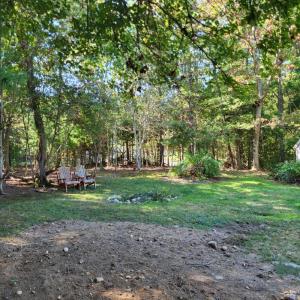
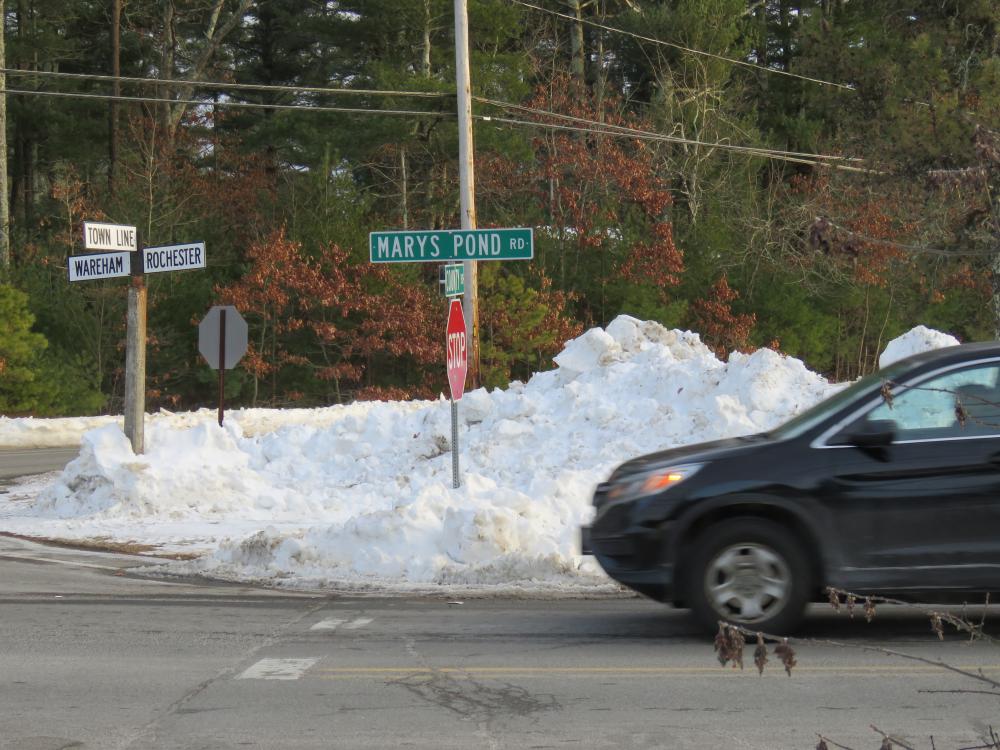 The parcels considered for rezoning lie along the border between Rochester and Wareham. Photo by Grace Roche
The parcels considered for rezoning lie along the border between Rochester and Wareham. Photo by Grace Roche
The parcels considered for rezoning lie along the border between Rochester and Wareham. Photo by Grace Roche
ROCHESTER — Several residential and agricultural properties on the eastern border of Rochester could soon be rezoned into a limited commercial district.
The Planning Board will hold a public meeting Tuesday, Feb. 10 to consider this change, which would ultimately be voted on at Town Meeting before it could go into effect.
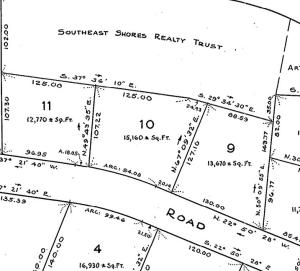
Included in this proposed rezoning are lots at 0 Mary’s Road, 0 High St., a home and surrounding land at 73 County Road, and the properties Murphy’s Towing, located at 73 County Road, and Adrian's Package Store, at 711 Mary’s Pond Road, sit on.
Planning Board Member Bendrix Bailey said the town received a letter Friday from an attorney representing an unnamed group of concerned residents, which claims this zoning change is not allowed under Massachusetts law.
Bailey said he couldn’t comment on the legality of the proposed change, but said it would increase tax revenue for a town he described as being “in dire straits financially.”
He pointed to the high cost of educating resident children as a major concern for Rochester and reason to encourage commercial activity. According to Bailey, taxes for an average house in the town are about $4,000 a year, while it costs about $15,000 annually to send a child to school.
Because the town is largely residential and agricultural, this means the town spends most of its revenue on education and can’t afford other services, he said.
“Rochester is starved for tax revenue that doesn't come with a child in the school,” Bailey said.
He said Town Planner Michaela Shoemaker is responsible for the idea to rezone the area, and there is no developer pushing for this change.
Despite possible concerns this rezoning could reduce surrounding properties’ value, Bailey said commercial presence would actually increase their value.
He also said he is not concerned these changes would have a significant impact on traffic flow. To Bailey's knowledge the town has not performed a traffic study, but he said because Mary’s Pond Road is already a busy thoroughway traffic flow would likely remain similar.
Bailey said zoning regulations, building codes and the Conservation Commission would ensure any future development was done to the town’s standards.
“If somebody were to say, ‘(Rezoning) will make the town go to hell,’ drive around the town and find me a spot that's gone to hell,” he said. “If our regulations didn't already take care of everything, that would be the case all over town.”