











Marion photographer finds ‘The Way Home’ in new book
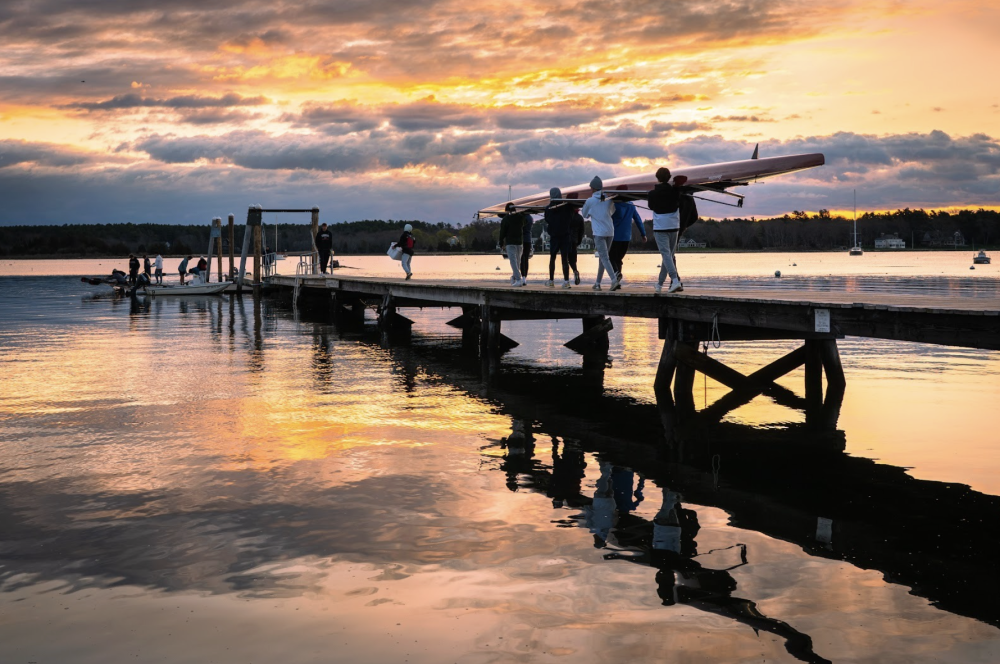 A photograph titled "Morning Practice" shows Tabor Academy rowers setting up for a morning practice. Photos by Tianxu Zhou
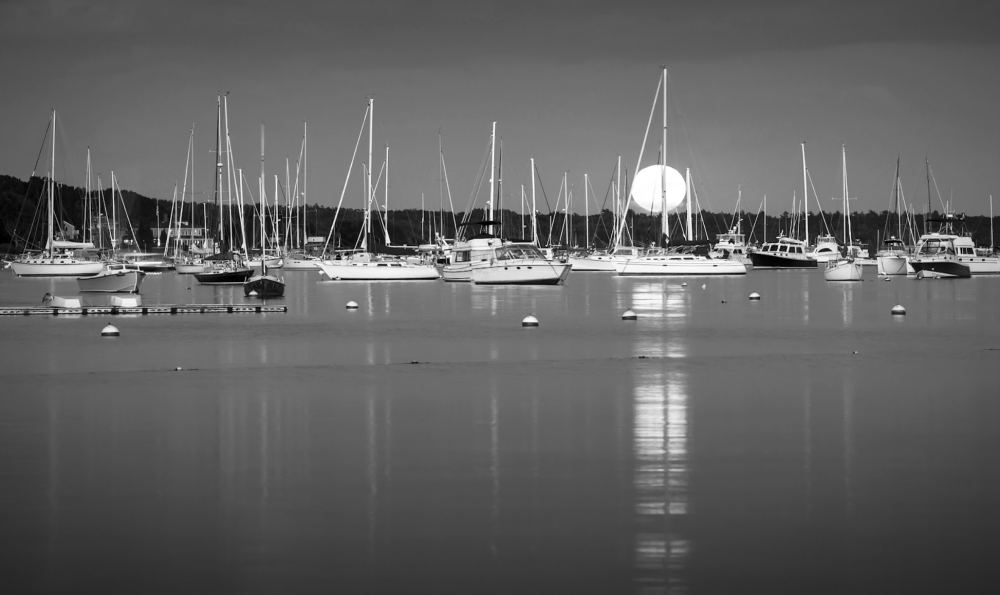 "Moonlit Sippican Harbor" showcases boats at rest in the water.
 Zhou works as a Director of Choral Music at Tabor Academy. Source: Tabor Academy
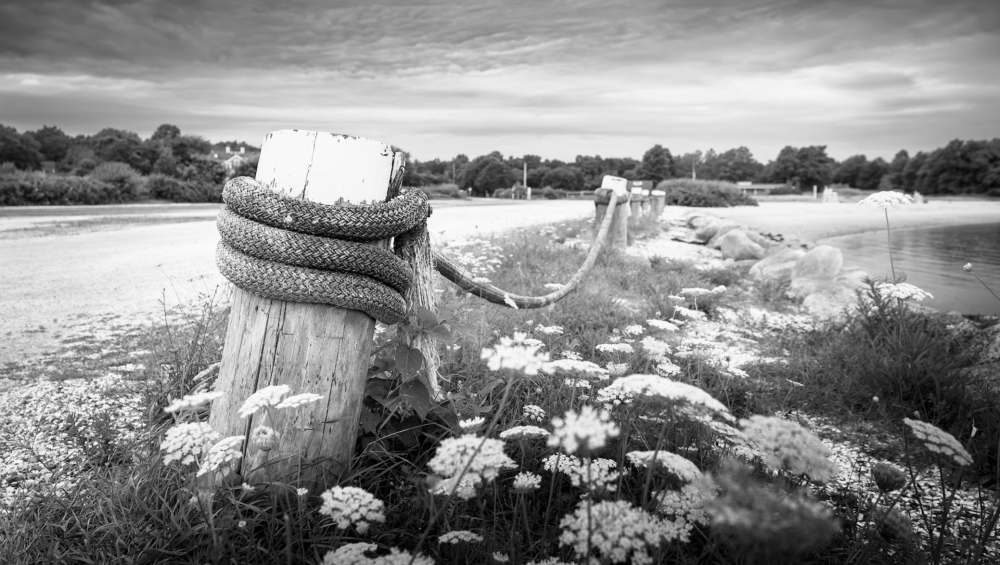 "Silvershell Beach" is showcased in "The Way Home."
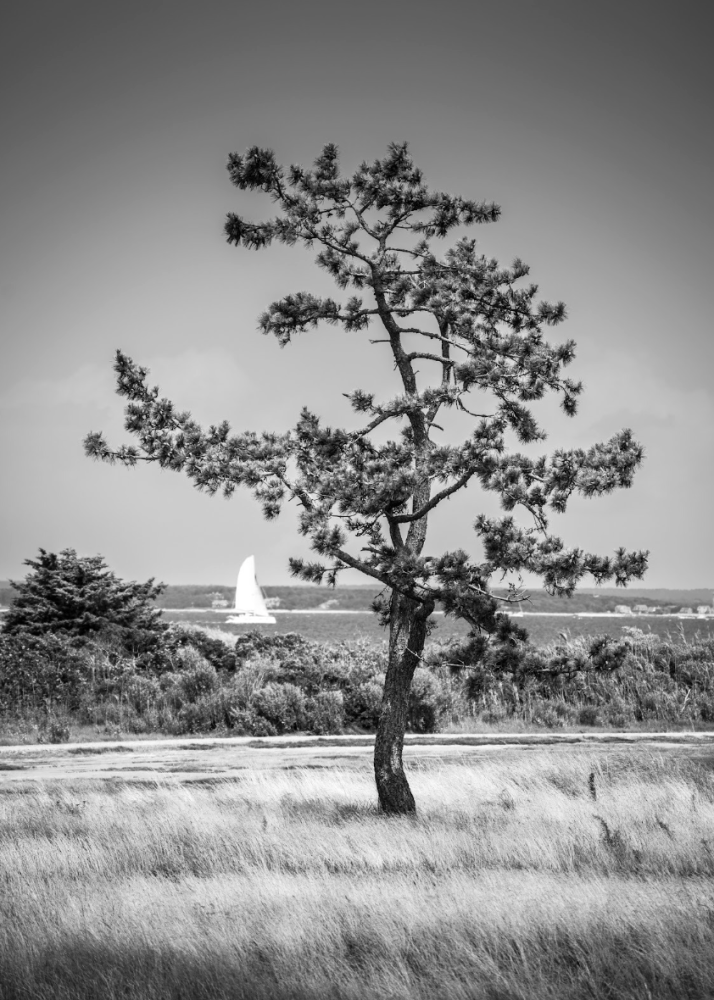 Zhou explores the power of composition in photography in pictures like "Tree by the Sea."
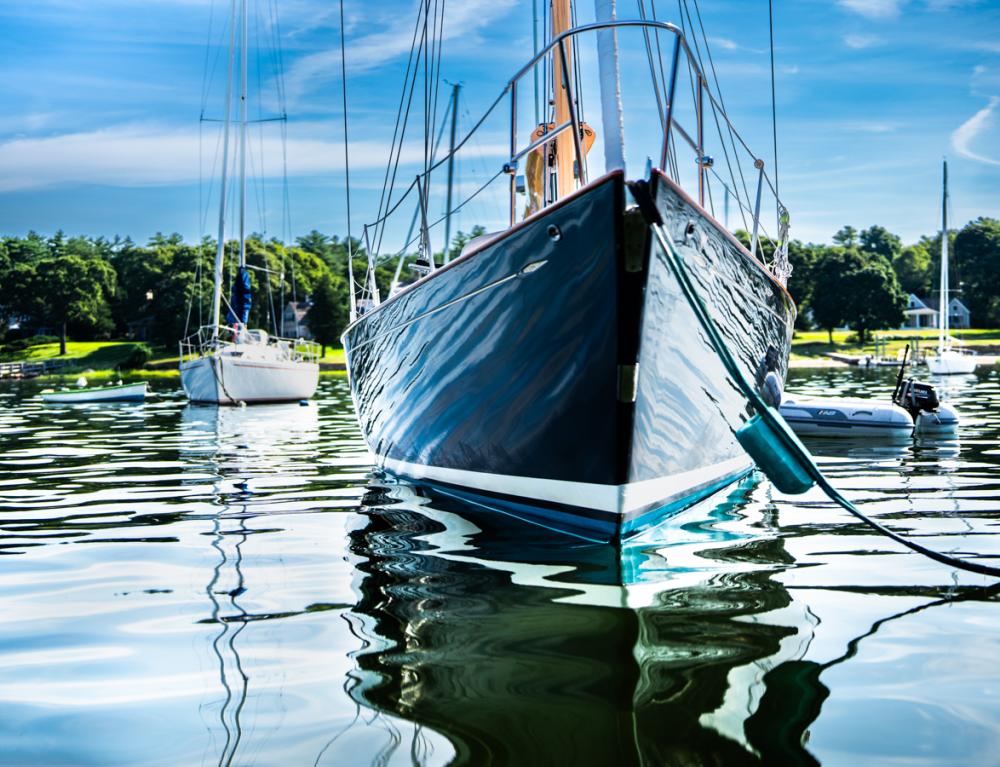 Zhou honors the maritime culture of Marion in photos such as "Water Lights."
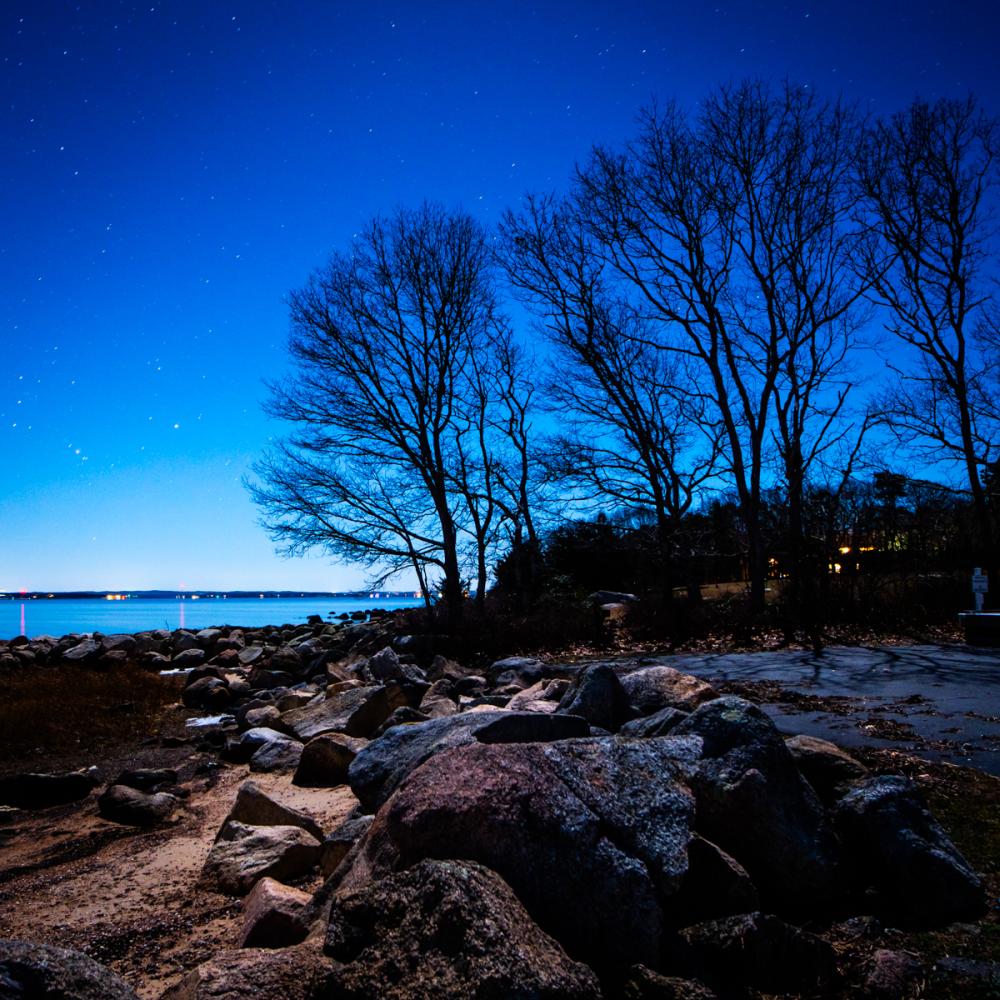 "Starry Night" showcases the coastal beauty of Marion.
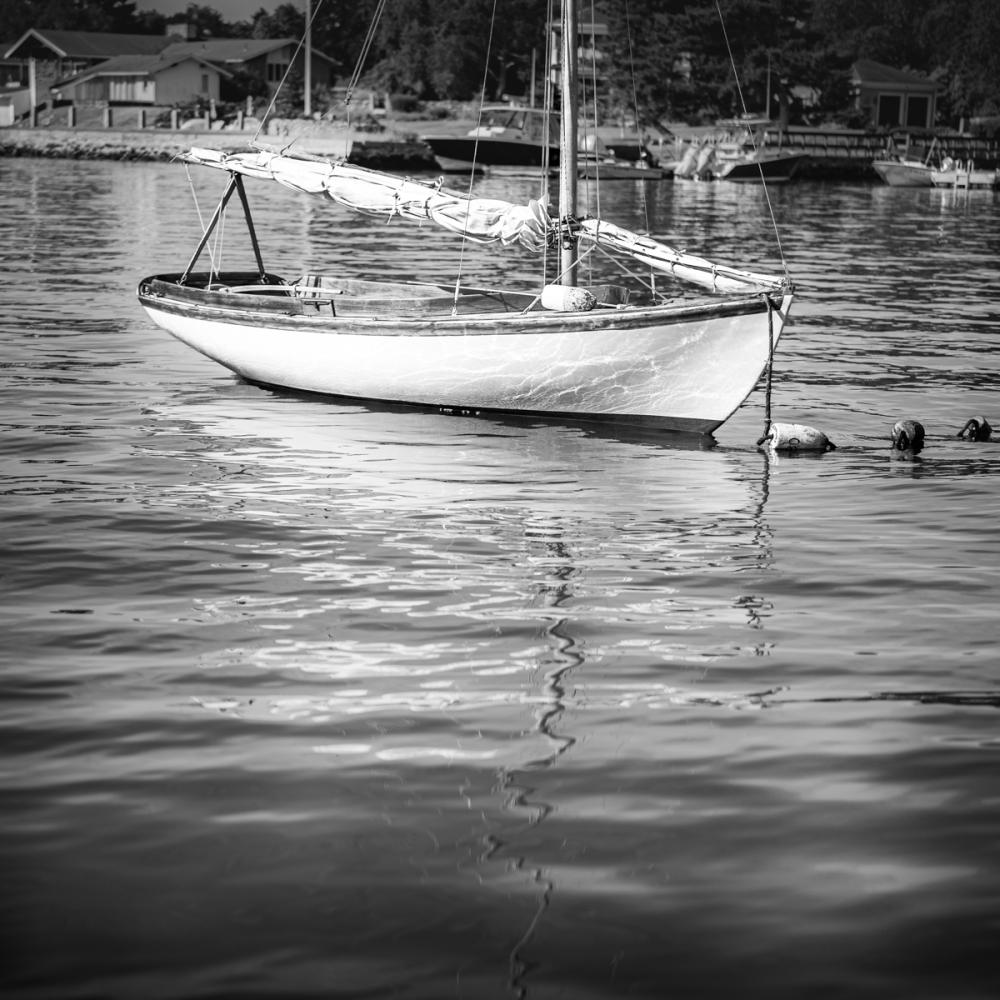 "Calm Waters" captures a quiet moment in the water.
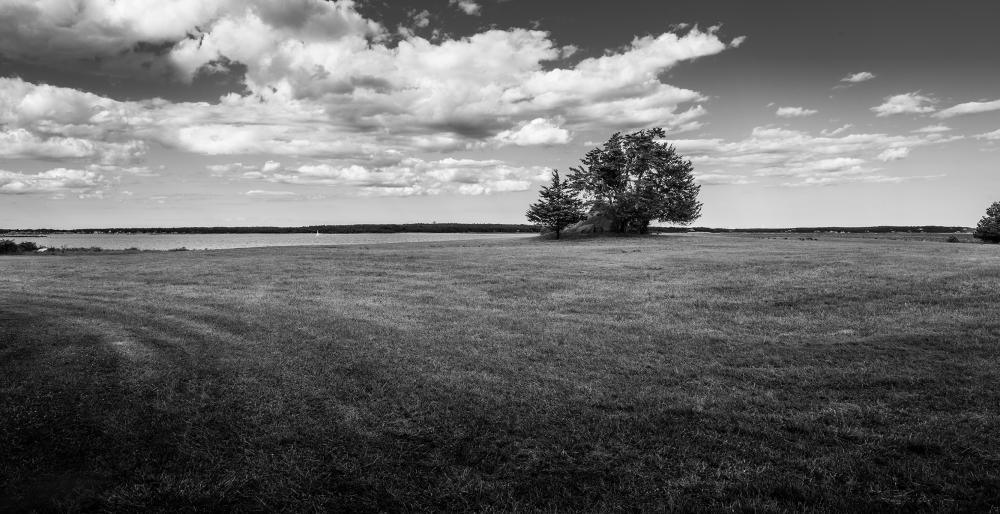 "Great Hill" showcases the openness of the town.
 "Seasoned" highlights small, colorful details in Zhou's photography.
A photograph titled "Morning Practice" shows Tabor Academy rowers setting up for a morning practice. Photos by Tianxu Zhou
"Moonlit Sippican Harbor" showcases boats at rest in the water.
Zhou works as a Director of Choral Music at Tabor Academy. Source: Tabor Academy
"Silvershell Beach" is showcased in "The Way Home."
Zhou explores the power of composition in photography in pictures like "Tree by the Sea."
Zhou honors the maritime culture of Marion in photos such as "Water Lights."
"Starry Night" showcases the coastal beauty of Marion.
"Calm Waters" captures a quiet moment in the water.
"Great Hill" showcases the openness of the town.
"Seasoned" highlights small, colorful details in Zhou's photography.
"Seasoned" highlights small, colorful details in Zhou's photography.
A photograph titled "Morning Practice" shows Tabor Academy rowers setting up for a morning practice. Photos by Tianxu Zhou
"Moonlit Sippican Harbor" showcases boats at rest in the water.
Zhou works as a Director of Choral Music at Tabor Academy. Source: Tabor Academy
"Silvershell Beach" is showcased in "The Way Home."
Zhou explores the power of composition in photography in pictures like "Tree by the Sea."
Zhou honors the maritime culture of Marion in photos such as "Water Lights."
"Starry Night" showcases the coastal beauty of Marion.
"Calm Waters" captures a quiet moment in the water.
"Great Hill" showcases the openness of the town.
"Seasoned" highlights small, colorful details in Zhou's photography.
MARION — From the still moonlit shores of Sippican Harbor to the quiet boats at rest in the water, Marion resident Tianxu Zhou has captured the spirit of the town’s quiet moments in his new photography book “The Way Home.”
“Every corner you turn your head, you could see something that’s stunning,” said Zhou of Marion.
Zhou moved to Marion over 20 years ago with his wife from Virginia and works as a choral director at Tabor Academy.
As a child, he grew up in Beijing learning about photography from his father who worked as a well-known sports photographer. In his family home, they had two refrigerators — one for food and one to store film.
“When I grew up, I was watching him with cameras, lenses and films,” he said.
“The Way Home” showcases scenes from across Marion, capturing the “quiet moments” that dwell in the coastal scenery.
“I appreciate that feeling of being an observer and watching scenes around us,” said Zhou.
When photographing the town, Zhou looks to find the “reactions to the quiet scenes.”
“It’s our reactions to the quiet scenes — that’s the emotion, and that’s a part of who we are,” he said.
In the images presented in his book, Zhou looks to enshrine aspects of Marion that no longer exist — displaying hushed pictures of Uncle Jon’s chairs now removed from the coffee shop and Marion Harbor Master picnic tables that are now lost to time.
Within his photographs, Zhou is also in search of himself.
“As [with] every art form, it’s a constant search of who we are. It’s a process of finding or understanding myself,” he said.
While his book contains color photos, the book highlights Zhou’s affinity for black and white photography.
“Colors are beautiful, but sometimes there’s a purity in black and white photos and [they] help you even more with the contrast and that simplicity,” he said.
“I’m trying to look for what’s in between lines,” he said.
As a choral director at Tabor Academy, Zhou sees music and song as a form of communal bonding.
“We should sing more as a community, as individuals, everybody should find a better way to express themselves,” said Zhou. “So really, communal singing is one of the best ways to do that.”
Within his photography, the same feeling of connection permeates the pictures.
“I want that book to be that feeling of where we belong and how we connect to this beauty,” said Zhou.
Growing up in the bustling city of Beijing helped Zhou appreciate the tranquility of Marion.
“It gave me a slightly unique perspective to appreciate this little town and the people here and the culture here,” he said.
Zhou reflected on the constantly changing nature of Beijing in comparison to the stillness of Marion.
“It’s just constantly changing and [it] makes you appreciate even more how much Marion just holds it still,” he said.
Zhou emphasized the duality he feels within his view of home — stating that Marion and Beijing among other places around the world can all feel like home in varied and transformative ways.
“[Marion] is just a lovely place.”