











Green thumbs up with Marion Institute’s Grow Education program
 Students explore the dirt and plants they are growing. Source: Marion Institute
 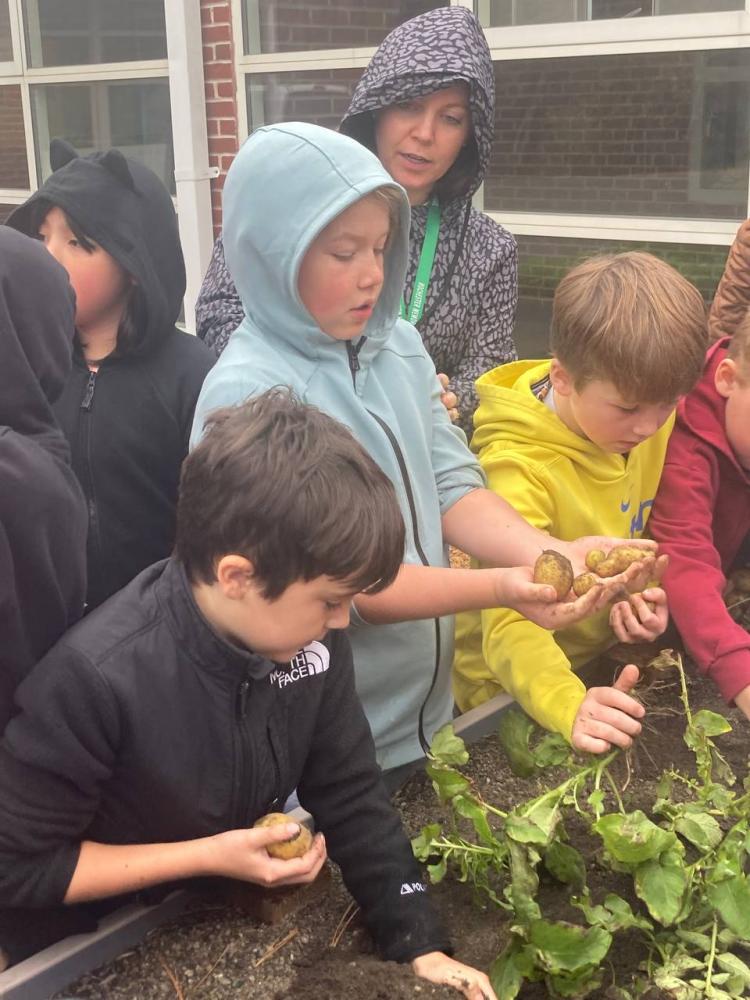 Rochester Memorial students get involved with the garden.
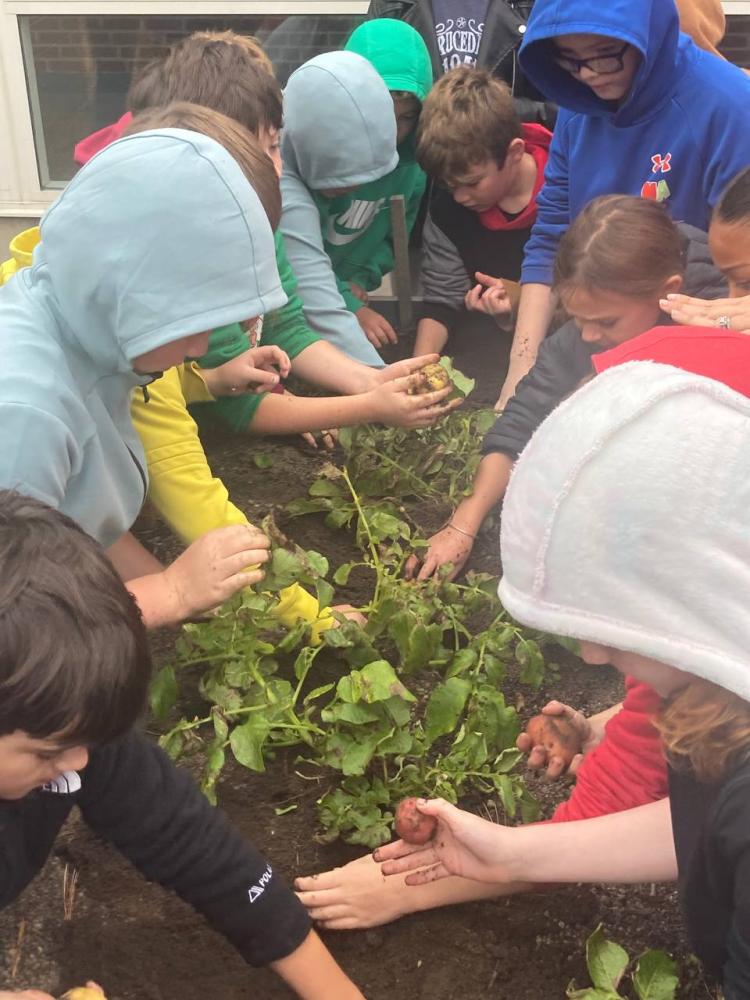 Students dig up potatoes.
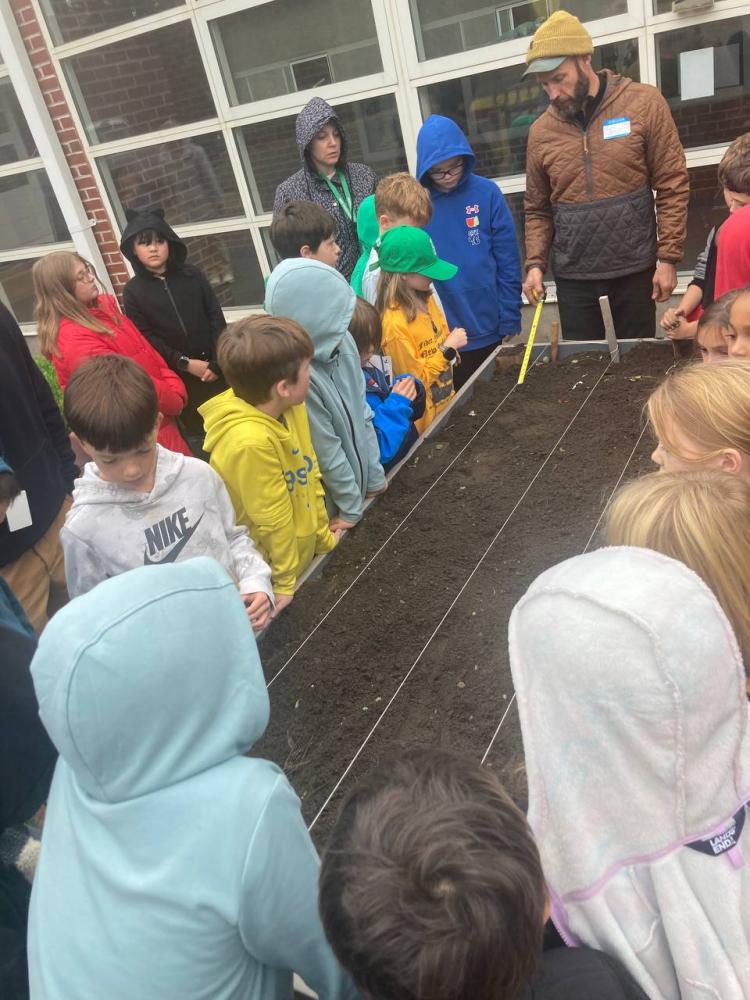 Students listen as Nathan Sander explains what they are about to do.
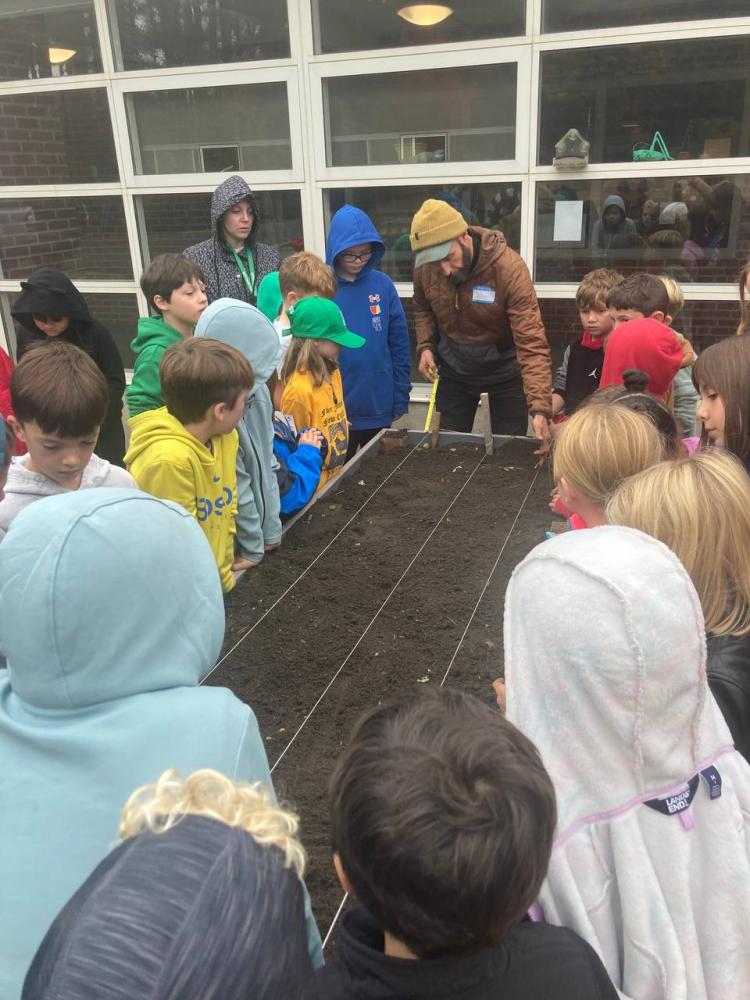 Nathan Sander instructs students about the dirt.
 The outside of Rochester Memorial Elementary.
  Elementary students get their hands dirty.
 Notes are written on a chalk board.
Students explore the dirt and plants they are growing. Source: Marion Institute
Rochester Memorial students get involved with the garden.
Students dig up potatoes.
Students listen as Nathan Sander explains what they are about to do.
Nathan Sander instructs students about the dirt.
The outside of Rochester Memorial Elementary.
Elementary students get their hands dirty.
Notes are written on a chalk board.
Notes are written on a chalk board.
Students explore the dirt and plants they are growing. Source: Marion Institute
Rochester Memorial students get involved with the garden.
Students dig up potatoes.
Students listen as Nathan Sander explains what they are about to do.
Nathan Sander instructs students about the dirt.
The outside of Rochester Memorial Elementary.
Elementary students get their hands dirty.
Notes are written on a chalk board.
MATTAPOISETT — Third and fourth grade Tri-town students get their hands dirty and thumbs green with the Marion Institute’s Grow Education program, bringing experimental learning to the outdoors.
Started in New Bedford, Grow Education has been around for over ten years — initiated by the Marion Institute and focusing on getting kids outdoors to learn about farming, food and healthy living.
The program has been implemented in 24 schools including Sippican School and six school districts, but continues to expand having just been introduced to Old Hammondtown Elementary and Rochester Memorial School.
“We see [the program] as an extension of the classrooms and those gardens represent a microcosm of the regional food system that we all exist in. We're trying to connect those dots,” said Nate Sander, program manager of Grow Education.
Aligned with third grade education standards, the program supports intersectional education by tapping into science, health, social studies and math curriculums. Once or twice a month, students learn about food growth and systems, while being physically involved in the garden.
“So many kids have become so distant from understanding where their food comes from or how food is grown or why eating fresh produce is beneficial to their health. So the hands-on learning and the nutrition education really does start to improve dietary habits and understanding over time,” said Liz Wiley, executive director of the Marion Institute.
Wiley never gets tired seeing students change their opinion by getting involved in the garden. “It's really awesome to see the students that are like ‘Oh I don't like to eat that,’ [and] all of a sudden chomping it down,” she said.
“With the food service department and teachers and administrators to make sure that the thread of the gardens was being woven in between the classrooms and the gardens and the curriculum and the cafeteria and the community,” said Wiley.
In the spring and fall, students plant and harvest a variety of fruits and vegetables, including kale, peppers, potatoes, peas and garlic in addition to bushes and trees. Students learn about soil, pollination, worms and do taste tests.
In the winter, students prepare the garden to rest and do virtual field trips with guest speakers, learning about Wampanoag culture and studying science related content in the classroom while staying engaged with the ecological conversation.
The class culminates with a big Salad Day right before school lets out where students collect the fruits and vegetables of their labor, throwing them into a salad to share.
Sander explains that the program helps students connect to STEM, Science Technology Engineering Math, early in their education.
“I would hope that we're in every class we're connecting with a handful of students that can now start to envision themselves in one of these you know STEM related or agricultural careers,” he said.
Sander and Wiley hope students bring this knowledge to their families, communities and keep it with them the rest of their lives.
Sander said, “I hope [this program] continues to have ripple effects and just like how the kids see their interaction with food and the environment and they apply that to the communities that they live in as they get older.”