











Cranberry season is all year long at Hartley Family Farm
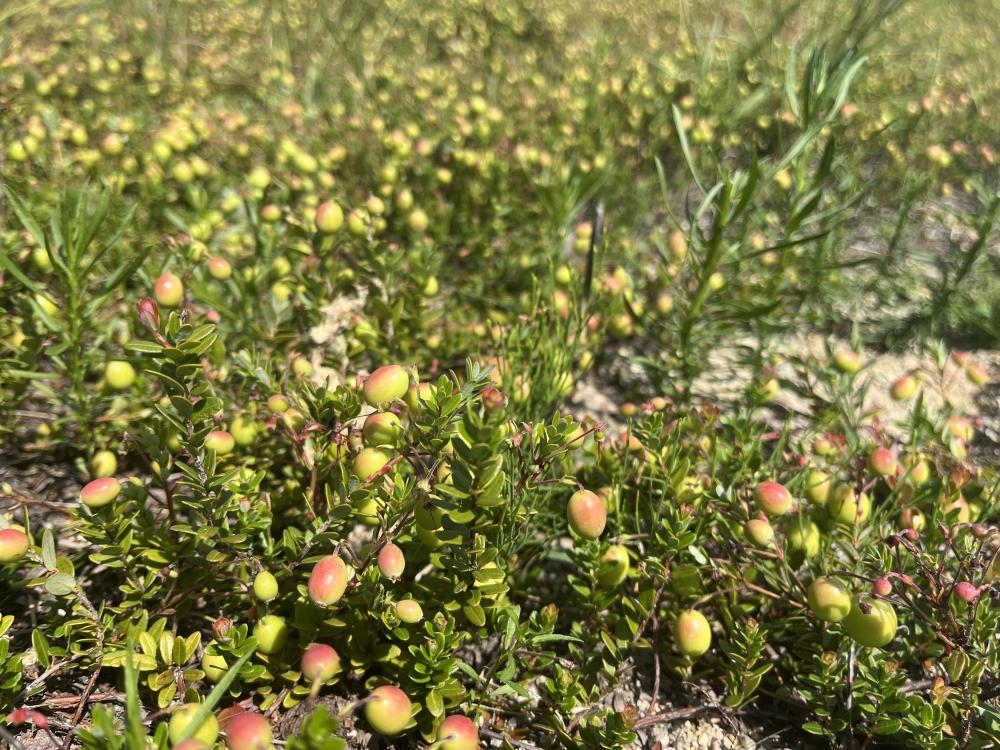 By mid-summer, cranberries have begun ripening and turning their recognizable color. Photos by Grace Roche
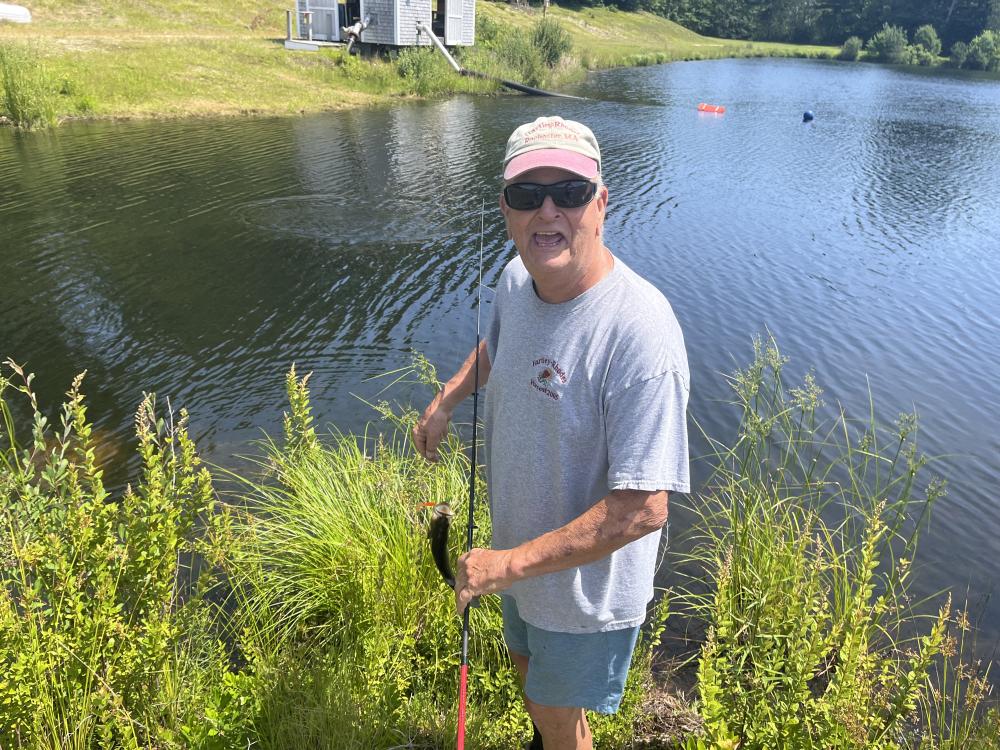 Woody Hartley holds up a bass he caught in the pond.
 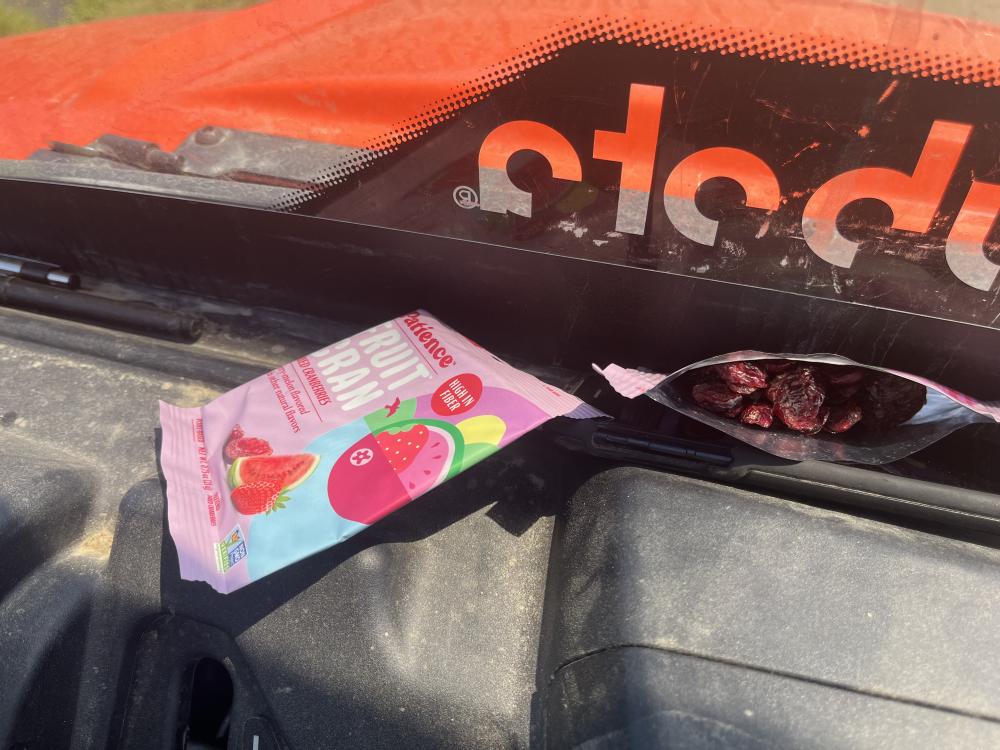 Some of the farm's crops are sent to a local processing plant to be dried and packaged.
 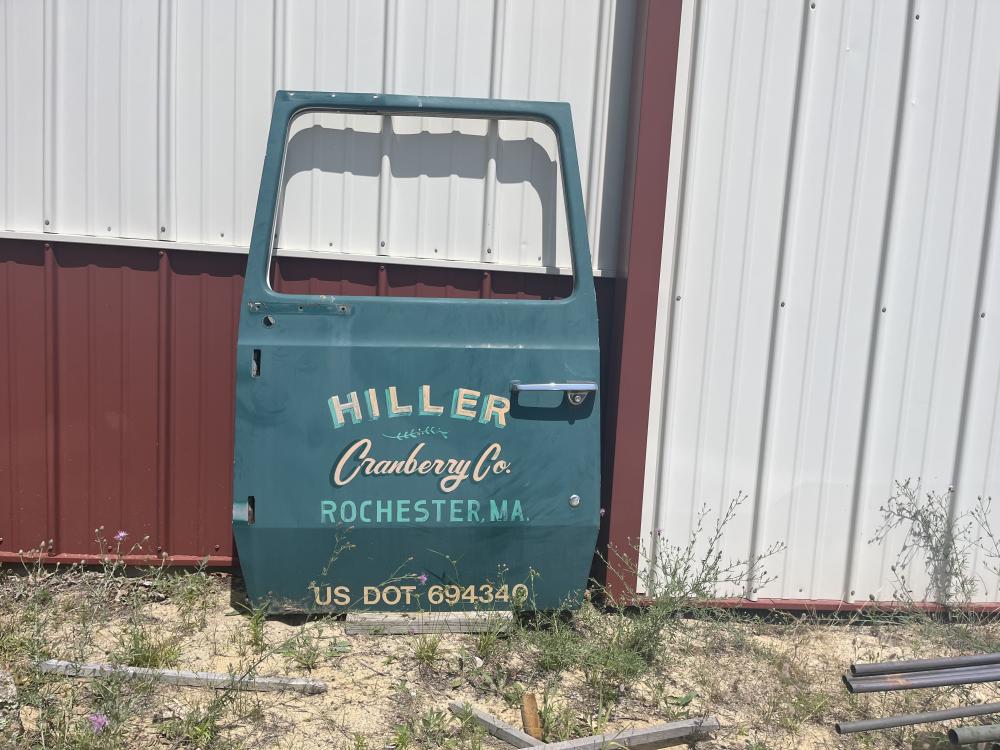 A car door from a now-closed cranberry farm sits on the property.
  One of the bogs at the farm is exclusively used for visitors to wade in.
  Thick growth in cranberry bogs helps chock out any competing weeds.
  Hartley checks on young berries.
  The farm sources the water it uses to flood bogs from its pond.
  Hundreds of thousands of bees pollinate the flowering plants.
 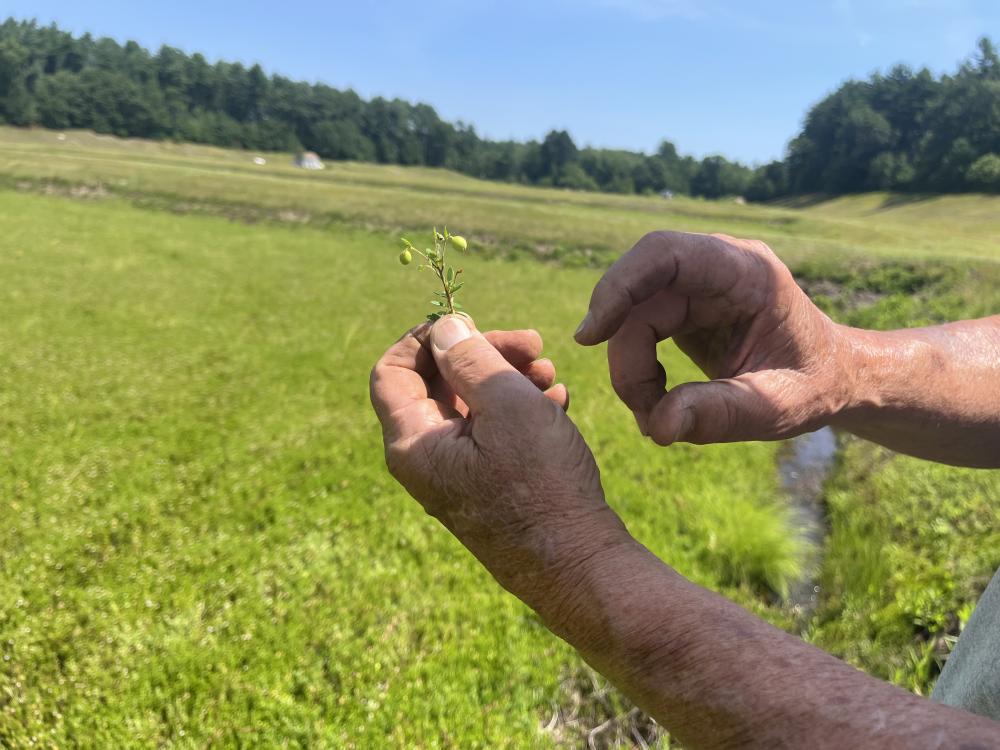 Hartley shows the size of some of the farm's cranberries during the growing process.
By mid-summer, cranberries have begun ripening and turning their recognizable color. Photos by Grace Roche
Woody Hartley holds up a bass he caught in the pond.
Some of the farm's crops are sent to a local processing plant to be dried and packaged.
A car door from a now-closed cranberry farm sits on the property.
One of the bogs at the farm is exclusively used for visitors to wade in.
Thick growth in cranberry bogs helps chock out any competing weeds.
Hartley checks on young berries.
The farm sources the water it uses to flood bogs from its pond.
Hundreds of thousands of bees pollinate the flowering plants.
Hartley shows the size of some of the farm's cranberries during the growing process.
Hartley shows the size of some of the farm's cranberries during the growing process.
By mid-summer, cranberries have begun ripening and turning their recognizable color. Photos by Grace Roche
Woody Hartley holds up a bass he caught in the pond.
Some of the farm's crops are sent to a local processing plant to be dried and packaged.
A car door from a now-closed cranberry farm sits on the property.
One of the bogs at the farm is exclusively used for visitors to wade in.
Thick growth in cranberry bogs helps chock out any competing weeds.
Hartley checks on young berries.
The farm sources the water it uses to flood bogs from its pond.
Hundreds of thousands of bees pollinate the flowering plants.
Hartley shows the size of some of the farm's cranberries during the growing process.
ROCHESTER — While cranberries may be most associated with autumnal celebrations and festive feasts, they’re a year-round matter for Woody Hartley.
He and his brother Walter run Hartley Family Farm, at 22 Walnut Plain Road. At this time of year, Hartley and his family do everything they can to encourage healthy, pest-free berries ready to be sold fresh to local distributors or turned into craisins, juice and other products by nearby companies.
The former Select Board member, along with his brother and both their wives, bought the property from his parents in the late 1990s and had their first harvest in 2000.
“We have insect issues, we have disease issues, and we have weeds. Those are our three things that we're always working on,” Hartley said, describing the combination of natural and manufactured solutions used to fight damage to the crops.
This year, the farm “decided to use Mother Nature to fight all three of those things” on half of the eight bogs on the property.
Hartley said they flooded the four bogs to drown any bugs living on the plants, wash away fungus and prevent weeds from germinating.
All the water used to flood the bogs comes from a pond at one end of the farm, which the family dug around 30 years ago.
Hartley’s proof that the water is clean and chemical-free can be found at the end of his fishing pole. He points to the many fish swimming in the pond — and ones he catches there — as an indicator of the water quality.
The pond water is also used to control when the berries begin to develop, as the plants’ flowers can’t bloom until the water is removed from the bogs.
Once the plants begin to flower, the bees that sometimes occupy the 12 hives on the farm get to work. The farm rents bees to pollinate the cranberry plants, and Hartley said it’s one of his favorite parts of running the farm.
“First you can hear the bees, and once you hear them, then you can see them because you're looking with the noises,” Hartley said. “There's almost a bee on every square foot out here.”
With all the risks involved in fighting nature for a healthy crop, Hartley said the farm has found ways to increase their profit margins.
One way is by drawing tourists who’ve always wanted to wade in a cranberry bog. Hartley said it helps support the farm, and it’s fun to lead tours because of how excited people are to be there.
“We can't get over how happy people are,” Hartley said. “We hear all the time, ‘This was on my bucket list.’”
To schedule a tour, visit www.hartleycranberrytours.com.