











A bird’s eye view of the South Coast osprey this season
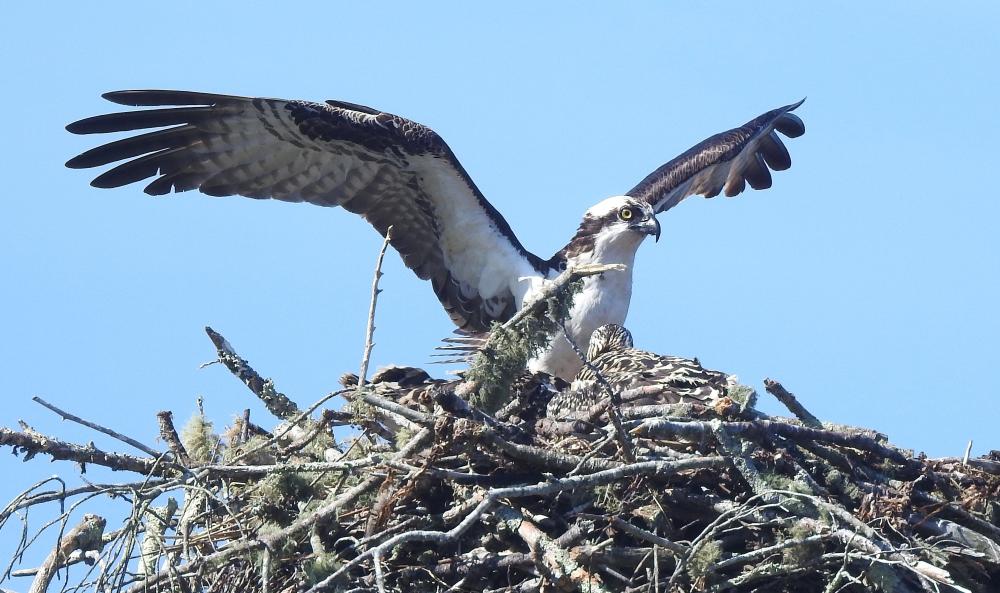 A female osprey with her chicks. Photos by Carol Molander
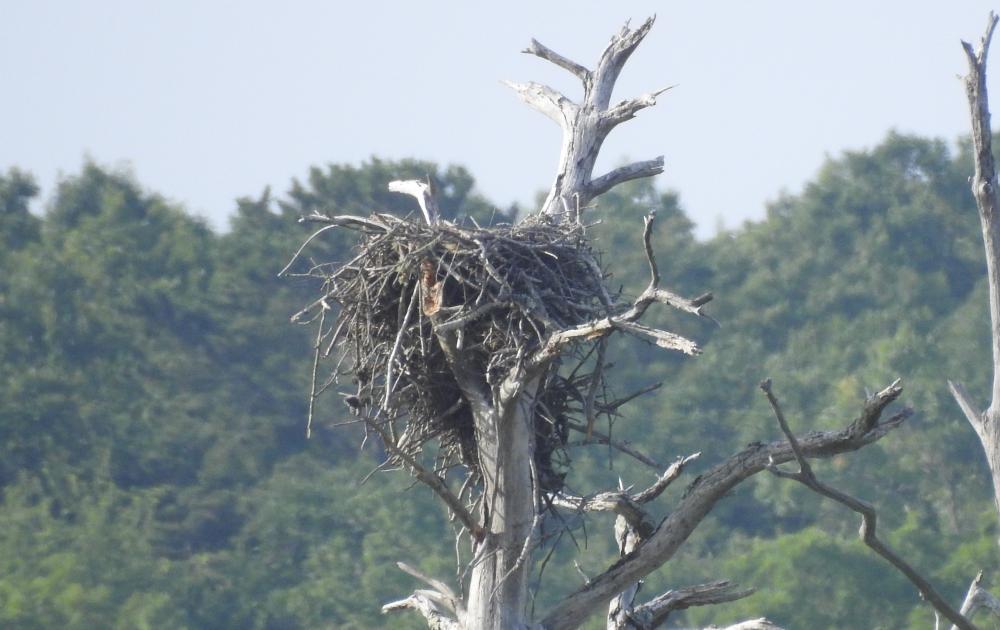 A natrual Osprey nest.
 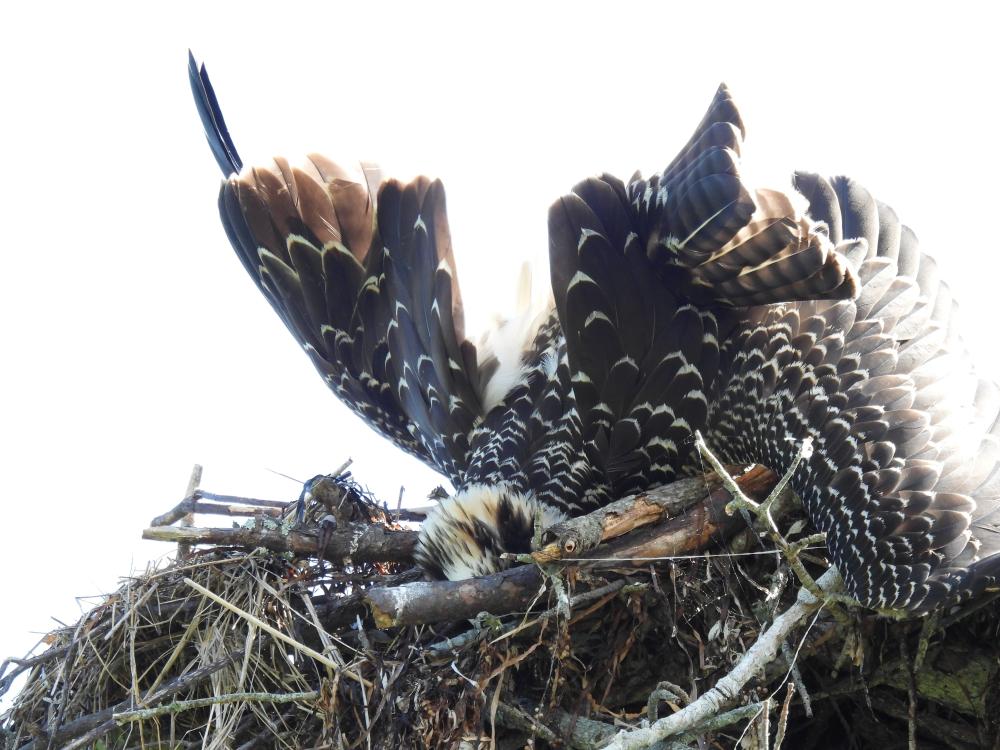 An Osprey struggles with wire and fishing line.
 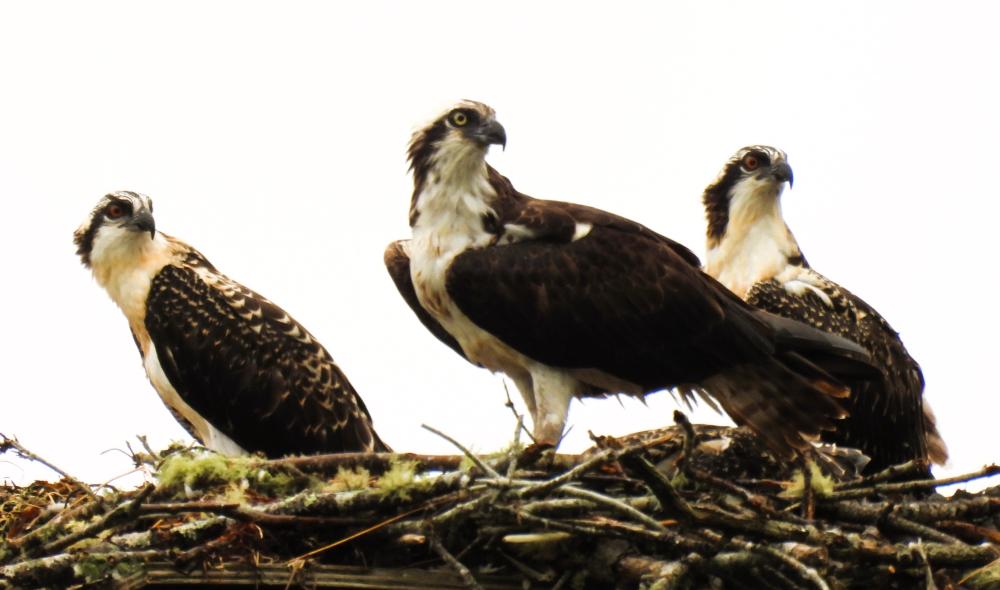 A female osprey with her two chicks.
 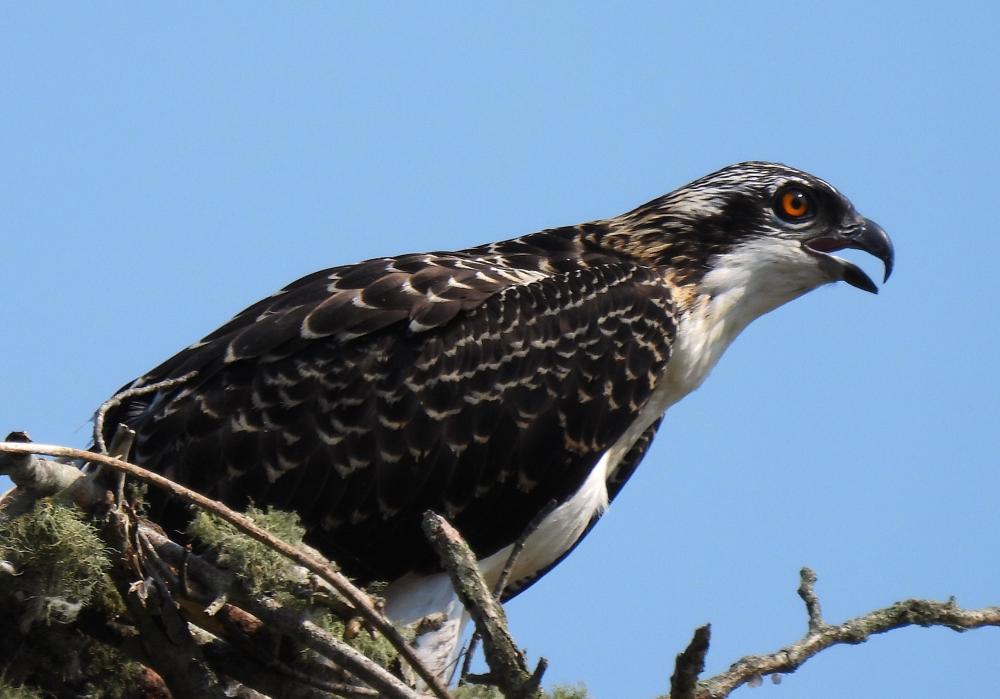 An osprey chick.
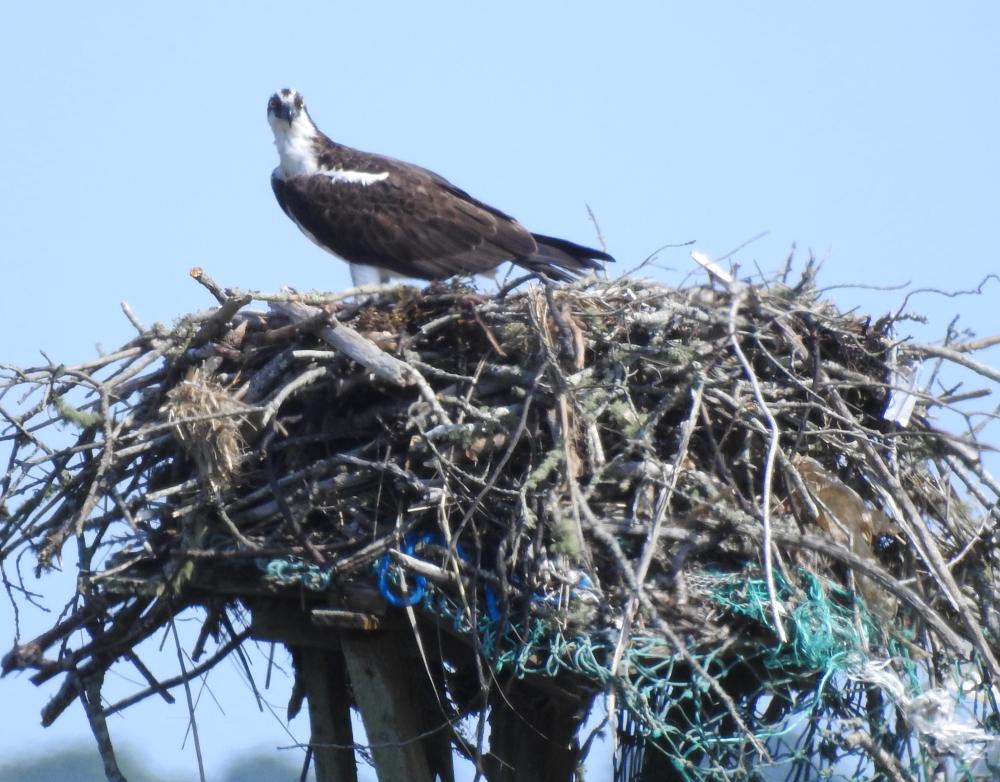 An osprey on a nest platform.
 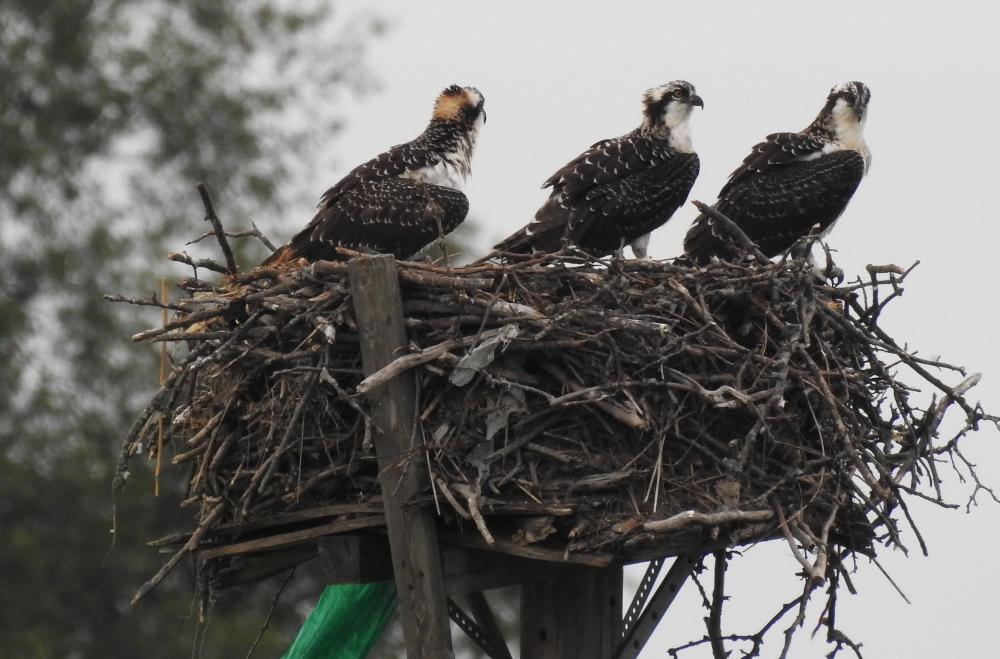 Three opsrey chicks watch from their nest.
 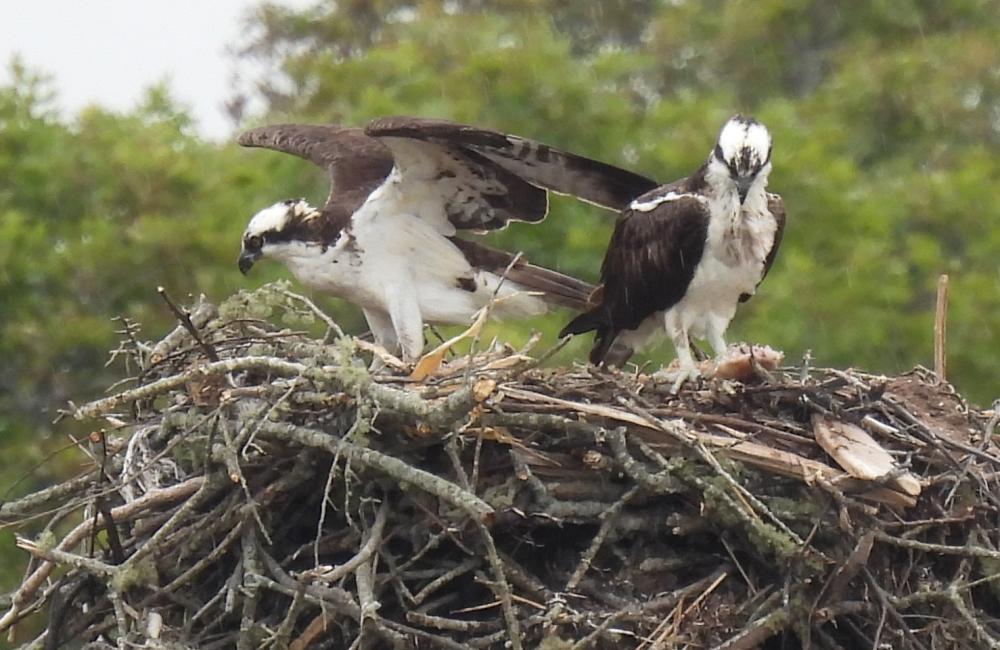 Two osprey sit in their nest.
 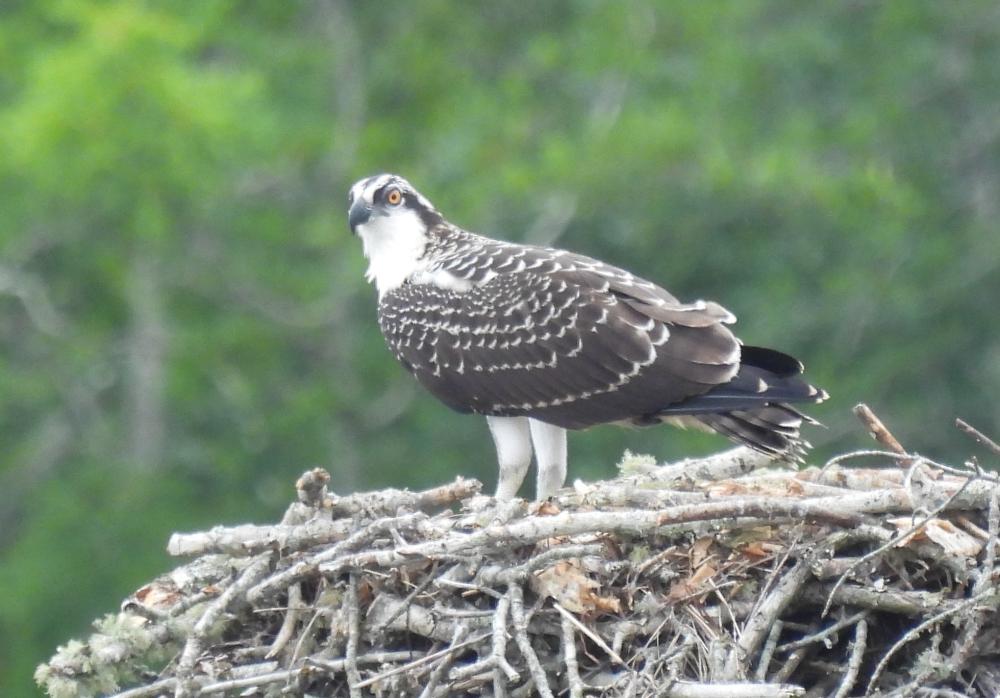 A young osprey perches.
A female osprey with her chicks. Photos by Carol Molander
A natrual Osprey nest.
An Osprey struggles with wire and fishing line.
A female osprey with her two chicks.
An osprey chick.
An osprey on a nest platform.
Three opsrey chicks watch from their nest.
Two osprey sit in their nest.
A young osprey perches.
A young osprey perches.
A female osprey with her chicks. Photos by Carol Molander
A natrual Osprey nest.
An Osprey struggles with wire and fishing line.
A female osprey with her two chicks.
An osprey chick.
An osprey on a nest platform.
Three opsrey chicks watch from their nest.
Two osprey sit in their nest.
A young osprey perches.
MARION — Monitoring nests in Marion, Carol Baird Molander of the Nasketucket Bird Club watches for Osprey from the spring into the fall.
As March arrives, Molander observes as Ospreys migrate from South America and settle in their nests from the previous year with the same partner.
Molander tracks and reports when the Osprey lays their eggs, incubates them and when the chicks finally hatch.
In the 50s and 60s, an insect pesticide called dichlorodiphenyltrichloroethane, known as DDT, decimated bird populations worldwide.
The raptor species of Osprey, falcons and eagles were affected after ingesting contaminated fish. The pesticides made the raptors’ eggs more delicate, making them break more than usual.
Residents across the South Coast assisted the Massachusetts Audubon Society and Massachusetts Fish and Wildlife with bringing back the osprey population since the pesticide was banned in 1972.
Molander’s favorite part of working with Ospreys is “knowing that their population has rebounded”.
Bird clubs, residents and other organizations have built raised platforms assisting osprey during nesting.
Even though the population has rebounded, Ospreys are still in danger. Ospreys will sometimes use fishing wire, ropes or plastic bags in their nests and the young birds sometimes get caught in them or eat them and perish.
The birds have also been known to make their nests on utility poles and accidentally get electrocuted.
Molander compared watching wildlife, specifically Ospreys, to the canary in a coal mine. She explained that if area wildlife is being affected negatively, humans will soon be impacted by the same factors.
“If something's happening to wildlife, then it's going to happen to us,” Molander said.
Molander explained that if people want to get involved and protect Osprey, they can offer to build nesting platforms, work with Mass Audubon and area bird clubs and also call Massachusetts Fish and Wildlife if they find a bird in distress.
Interested birders can also sign up to watch and report on area bird nests at www.osprey-watch.org/.
Molander hopes for people to watch out for Ospreys and for “people to enjoy looking at birds and experiencing nature.”